

They’re Not Just Closing Gifts: Creative Ideas For Realtors in 2022
 Real estate closing gifts are not a new phenomenon, but sometimes real estate agents aren’t sure what to give. Let’s face it, our clients are all our businesses really have. Showing appreciation is not just polite but critical for keeping and building upon those relationships. Over the years we’ve learned a lot from our many friends in Real Estate, most of whom have built hugely successful practices, and we’d like to pass that wisdom along. Below are some important guidelines and some great ideas for your next closing gift.
How Much To Spend:
We suggest you spend between $40 and $100 on closing gifts. Spend more for big, complicated sales and less for smaller and simpler sales. When my husband and I sold one of our houses over the summer our Realtor gave us a simple, inexpensive, but very thoughtful gift. Our family has worked with this agent for over 20 years and probably bought and sold 20 houses with her. This particular sale was small, simple, and very fast so a small thoughtful closing gift was perfect. She hand-wrote a thank-you note with a $25 pizza gift card and also brought us a soft cooler full of water bottles. Every time we take the cooler to one of our daughter’s swim meets we think of our agent and how she even kept in mind the season when showing us her appreciation. It was a small token but had a big impact – nothing more was necessary.
However, if spending more is in your budget or fits your market better, go for it. We know an agent who spends $100 every time on fancy closing gift baskets and another one who always mails a $50 restaurant gift card and a bouquet of flowers. Both agents do this consistently regardless of the size of the sale. We also know an agent in the luxury market who will take the homeowners (or sellers) out for an expensive dinner to celebrate. Each sale brings in quite a bit of commission, so spending a few hundred dollars and a few hours of his extremely precious time makes sense. Most of the time we see agents spending more money on larger sales or sales that took longer or had more set backs. Whatever you do, don’t go too cheap, especially if the closing gift is generic. Generic gifts are easier to forgive if they’re pricier.
What to Give:
Buying a home, either for the first or umpteenth time, is a deeply personal task for anyone. Be sure that your closing gifts represent not only your personal relationship with your client, but also represent how building a personal relationship with your clients is something you always do. The gift should provide your client with a lasting impression of how much importance you place on your client relationships. Because your clients are your best source of new business, your closing gifts should say: “I know you, I care about you, and I’ll get to know and care about your friends and family just as much.”
Be Genuine and Thoughtful. This one is crucial, and happens long before closing. After all the time you’ve spent with your buyers or sellers, you probably know a lot about them. If they don’t volunteer personal information early on, be sure to ask. Ask about their kids and how they spend their weekends. Are they the indulgent type, or more practical? Religious? Artistic? Are they into wine, coffee, beer, sports? Are they gaga over their pet, or perhaps expecting a new baby? Tailor closing gifts to your client’s personality, stage of life, and preferences. For example, my husband and I are practical people with a bunch of kids, so pizza and a soft cooler resonated. My single, fun-loving sister, however, received gourmet coffee, a funny mug, and an Amazon gift card when she bought her first home, which was perfect.
If you have a good sense for your client’s personality, here are some creative ideas:
Young families:
Think about closing gifts that will become part of the household, so you are thought about often, or things that make the hectic business of raising kids a little easier. You could also go the kid angle; parents are really moved when someone goes out of their way to make their kids happy.
- Game Night basket; this is a great idea that we stole from an agent we know. You’ll have to put it together yourself because I’m not aware of a retailer who offers this. Load up a big basket with board games, Pringles, a sixer of IBC, and a gift card for pizza delivery.
- Movie Night basket; this you might actually find online. A few family-friendly DVDs, a bucket of popcorn, and few movie-theater candy boxes.
- Personalized Door Hangers; get Mom and Dad and each kid a personalized nameplate to put on the door to their room. This can be a nice-looking sign or a doorknob hanger they can flip to “Do Not Disturb.” You can wrap them in a gift box and present them with a nice housewarming bouquet.
- Holiday ornaments; select a special ornament for each family member and wrap in a beautiful box. This gift will make a very sweet impression, and perfect if your client is the sentimental type.
Obsessed-with-the-pet People:
The fastest way into the heart of people who treat their pets like their children is through… their pets. Pet-related gifts should always be given with something else, like flowers or a restaurant gift card. Write in the Thank-You card how you wanted to get a little something for Fluffy because you know this will be a big adjustment for him.
- A box of gourmet dog treats; some specialty pet stores or online retailers sell cute treats that look so good you’d want to eat it yourself
- A personalized nameplate they can put on a doghouse, if they have one
- A dog or cat bed monogrammed with the pet’s name; this is especially appropriate since they are moving into a new home, and the pet will have their own special place
Expectant parents:
If clients have their first baby on the way, this is a great opportunity to personalize your closing gift. Soon-to-be new parents are usually pretty over the moon about their little one, so anything baby related will be a hit. But like with pets, be sure to also give something for the parents or household, even it it’s just flowers. Warning: stay away from baby gifts for clients expecting babies number 3 or 4; for these parents, think of gifts that will help them to relax and unwind.
- Monogrammed baby blanket; before selecting, be sure to ask about the nursery colors and try to find one with a “Home Sweet Home” or “Welcome Home” theme to tie it back to their new house.
- Growth Chart; look online or at Babies R Us for a wall-mounted cloth that records the child’s height over the years. There are some you can stick photos in, and you may be able to have it monogrammed too.
- Don’t get: baby clothes. They will never remember who gave them what outfit because they’ll receive so many, and the baby will outgrow the clothes in about five minutes.
Empty-nesters:
If you’re helping an older client whose children grew up long ago or a couple whose last child recently moved out, sentiment and thoughtfulness are probably more important than practicality. Think of gifts that remind your client of the important things in life, or helps a couple reconnect after years of rearing children.
- Romantic evening out; give them a gift card to a nice restaurant with a heartfelt letter expressing how much you hope they enjoy this next chapter of their life together. For the right couple, something fun like a ballroom dancing lesson or couples massage might be appropriate.
- Gardening gift basket; assuming they like gardening, fill a basket with seeds, a colorful book on gardening tips, tools, gloves, and maybe a watering can or lawn ornament. This is doubly appropriate since it relates to homeownership.
- Personalized mantelpiece with a family portrait and picture of the new home; this may be tricky because you need to stealthily get a family portrait. You may find one on your client’s Facebook page, if they have one and shared it with you, or you may need to ask. Simply tell them you’d like to frame a family photo for their new home. You can do a side-by-side of the new house and the family, or have a picture of the old house with the dates they lived in it, the family in the middle, and then the new house with the move in date inscribed below.
Compassionate bleeding hearts:
People who live to make a difference are often turned off by flashy presents and sometimes even feel guilty accepting them. You can spot these types by their modest home decor, church involvement, and how often they talk about others.
- Donate to a charity in their name; we got this idea from an agent in Ohio and she says her clients are usually very touched by this. Make sure the charitable cause is something they believe in – or, better yet, a charity or church they are already involved in. Make sure they have a plaque or another physical item to commemorate the donation, and we recommend you also give them a small gift.
- “Adopt” a family (or child) in their name; be sure to get a photo of the family or child being helped, and also make sure they know how much money or what items were given to them on their behalf.
If you really don’t have a sense for the client’s personality, here are our favorite standbys:
- Welcome mat; this can be customized with the family’s last name
- Treat basket; everyone loves a basket of goodies and there are thousands of retailers out there putting together great baskets. Warning: be sure you know about any food allergies, or if your client is vegetarian or vegan, a super health nut, or avoids gluten. If you’re including alcohol or coffee, be sure to first ask if your client partakes.
- Restaurant gift card; all you have to do is ask where they like to eat. You should always accompany a gift card with something tangible, like flowers or a box of cookies.
- Edible Arrangements. Yum! Fork over some extra cash to get them one with lots of chocolate-covered pieces.

A Final Caution:
Now that you know what to give, here are a few “Definitely Don’t” gift ideas:
- Cheap branded stuff. You know what I mean. It’s fine if you want to give them a refrigerator magnet or a $2.00 calendar with your face all over it, but stick stuff like that in with the closing documents and also give a real gift.
- Nothing. Bad bad bad. You must give a closing gift.
- Babies. They are cute, but not practical. Plus, I think it’s illegal.
We hope you’ve found this useful! Please share your thoughts and what gifts you give.
You’re Great… and Who Cares?
Why Salesy Real Estate Marketing Fails with Today’s Sellers

Quick: take a look at these two headlines. Each appears on the front cover of a real estate agent’s local newsletter or publication.
- “Peter Pumpkin-eater named #1 Producer at Joker Broker Inc!” (by Peter Pumpkin-eater)
- “Record High Prices for Sunnytown Homes this Season!” (by Berta Experta)
Which article would appeal to you, a homeowner in Sunnytown? How much would you care about Peter Pumpkin-eater’s awards, even if you happened to know him? After getting a newsletter with a cover story like Peter’s, month after month, you’d probably start throwing it right in the recycle bin without so much as a glance.
But what about receiving a newsletter – or publication – with cover stories like Berta’s, month after month? You might begin to anticipate some useful market information when it appears in your mailbox. Instead of pitching it, you might toss it on the counter, and read it the next morning while your coffee brews. This all seems obvious, but yet we see it every day: agents who wouldn’t give two hoots about, for example, their insurance agent “hitting goal” turn around and build huge expensive campaigns about their personal awesomeness.
You’ve probably already made massive changes to your business in the wake of Coronavirus, so what better time to take a good hard look at your marketing messages!
Fact: buying patterns have changed dramatically in the last 10 years.
As more advertising mediums become available, the more consumers are becoming conditioned to tune out to anything that seems “promotional.” Content Plus found that 70% of consumers prefer getting to know a company via articles rather than ads, and a TMG Custom Media study revealed that 78% of consumers believe that organizations that offer custom content are interested in building good relationships with them. While it’s important to communicate the value you offer – and to share real-life success stories about who you’ve helped – building a trust-based connection is the foundation for generating listings and referrals.
Trust is built in the emotional part of the brain, deep in the subconscious.

We don’t decide to trust a person; rather, we one day realize that we trust someone. Add to that the the fact that big decisions – including most major purchase decisions – happen in the part of the brain where emotions are processed. Trust is an emotion. To put it very simply: trust = purchase.
A brain scan study by Mart Lindstrom in 2015 backed up claims that 90% of purchasing decisions are not made consciously, and that brands that are intentional about evoking our emotions always win. Decision-making may be wired to our emotions for very good reasons. For one, it is impossible to consciously tally, process, score, and react to the hundreds of facts and other non-overt pieces of information coming at us. Our emotional subconscious does this for us and outputs a “gut feeling,” without our awareness.
The beautiful thing is that this “gut” is very efficient at making the right call. It’s in no way a shortcut. In fact, relying on a well-honed instinct is indeed more efficient than manually – consciously – wading through a million variables. We’re built to rely on it – in extreme cases, our very survival depends on trusting our gut rather than a painstaking conscious calculation. For most people, the emotional brain is a well-oiled super-computer so it’s no surprise that decision making occurs there.
What does this mean for real estate agents?

The key take-away for real estate agents is this: if two agents are competing for a listing, the one who has taken time to embed themselves in the emotional brain of the homeowner will get the listing, even if they’re younger or less successful.
“Embed themselves in the emotional brain” means marketing and prospecting in a way that resonates at a human level, garners an emotional response, and leaves the prospect feeling that the agent knows and cares about the market, gets great results, and can be trusted.
In order to develop these emotions about the agent, the homeowner needs to repeatedly experience these emotions while at the same time learning about or engaging with the agent’s brand. For this to happen, the agent must truly be trustworthy, get good results, and care – because those are the things he or she need to impart through their marketing. Otherwise, no amount of “messaging” will seed legitimate emotional headspace in prospects.
So, how can you do this?
How to implant yourself as the Real Estate Agent of Choice
in the emotional brain of homeowners in your farm
 First, you must show (not just tell) your prospects that you care about them, the community, and ultimately, their home sale. Marketing with information they personally care about accomplishes this much faster than sending information they don’t care about. Against our best advice, we’ve worked with agents over the years who’ve insisted on publishing self-promoting articles on the front covers of their publications. After investing thousands of dollars, they either learn the hard way and begin publishing community-related content, or they quit publishing altogether in frustration (and to be blunt, arrogance). We encourage agents to keep their custom content focused on the community; for example, during the pandemic, we published articles for agents about how Coronavirus was impacting the local housing market. Similarly, we take care to ensure the general articles (the syndicated stories we publish inside each client’s paper) hit home and resonate with homeowners. Whether you publish with us or do your own newsletter, these principals apply.
And here’s the key: make sure your picture and branding is on the header and all throughout your marketing, so that when the reader is engaged with an article or feature, they implant you in their emotional brain as they read and react to it.
Branding remains paramount

When you regularly supply your prospects with interesting, valuable information (such as with your newsletter, publication, emails, social posts, webinars, etc.), you need to be front and center. This doesn’t mean how great you are, but your branding must be prominent. Otherwise, you’ll be cultivating meaningful emotional responses, but the connection to you will be lost.
Additionally, it’s important to layer in messages about what you do and how you can really help. Do this in ways that actually resonate; for example, instead of a dry testimonial, run a short feature called “Sunnytown Success Story” with a photo of a happy couple you helped, and tell the story of how they needed to move quickly, how you helped them with fix-ups and staging, and how you marketed it to your broker network for multiple offers. Or instead of an ad about being #1, present an infograph of exactly how you stack up to other agents (Average Sunnydale Agent: Sells 2 homes per year. Berta Experta: Sold 28 homes last year. / Average Sold Price in Sunnydale: $200k. Average Sold Price for Berta’s Clients: $235k). This communicates to the homeowner that you don’t expect them to hire you just because of a fancy award – that you mean business and get tangible results.
The most important message here is that self-promotion fails as the core of any marketing strategy. Think instead of how to show the area you are a caring, knowledgeable, trusted expert. And make sure they know it’s from you.
Check my Zip Code Availability
Is Your Exclusive Territory Available? Let’s check your initial Zip Code and find out.
War Story – Episode 3 – Client Appreciation
 Episode 3: “Eminem Headlines! Is It The Real Slim Shady?”
It’s Party Time! In this installment of “War Stories” we meet a big-time agent who SHOWS big-time customer appreciation. This successful agent throws an elaborate party to thank all of the clients who helped get him to the top. This agent has a trick up his sleeve to make the event quite memorable indeed.
The takeaway here is simple: you cannot be a successful real estate agent without clients who want to buy and sell homes. You can never go wrong showing appreciation to those people who have helped you achieve success.Enjoy our latest video, and be sure to subscribe to our YouTube channel and Facebook page for the latest news, content, and updates. Happy marketing!
Real Estate Marketing War Story: Pricing
Episode 2: “The Price was Actually Right”
Ahh, pricing. It usually isn’t a big deal to get clients on board with a list price that will effectively sell their home… but, sometimes it is. In this episode, Leo shares personal experience with pricing a client’s home in Georgia too high.
Interestingly, this happened during market conditions similar to today. Prices were up, inventory down, and sellers were expecting to cash in on all the excitement. Sellers watched their uncle’s, cousin’s, and babysitter’s mom’s houses sell for crazy prices. Then they saw their neighbors’ homes go on the market for what would be 30% appreciation in a 4 year period. So, when they went to list their home, they expected to get their neighbor’s list price.
But we all know it doesn’t work that way. In a fanatical pricing craze, less experienced agents throw up inflated list prices with high hopes, and even though properties are selling like chicken fingers, those homes are not. They are lingering and serious agents eventually stop showing them and buyers are too intimidated to make an offer. Those homes end up expiring and going to another agent at a 20% price reduction. We get it, we know you’ve had to try to explain this to a client who absolutely insists on over-pricing their home. Let us know how you’ve handled it!
Enjoy our latest video, and be sure to subscribe to our YouTube channel and Facebook page for the latest news, content, and updates. Happy marketing!
The inside scoop on a Discover custom publication
 We often get asked, “what exactly goes inside my custom publication?”
This post is designed to answer this question in more detail than you might see on the website, but keep in mind our friendly Discover-ers are just a phone call away to dive as deep into the details as you wish. Check out our video above and read on to find out more.
The goal of a Discover custom pub is to drive leads to your desk.
It is designed to brand you as an expert and help you build loyalty in the community. For many of our clients, it serves as the backbone of their direct mail marketing and also integrates seamlessly with their web, email, and social marketing.
We have designed the product and process to be unbelievably simple.
We thoughtfully select and produce all the content with your image and your reader’s interest in mind (including custom-written articles just for you). In addition to providing, designing, and placing all of the content, we take care of the mailing lists, printing, sorting, labeling, and mailing.
Here’s what we put in to your paper each month:
- Two full custom-written articles
- Call for Listings below the front page article, aka “Buyers Box”
- Your local market stats
- “Ask the Agent” article in your name
- Your “featured listing” spread custom designed
- Your choice between a puzzle page or coloring contest
- Wolgang Puck recipe
- One article each on fitness, travel, and lifestyle
- 3-4 real estate related articles
- 5 custom designed calls to action (featuring you, your photo, your websites, etc)
What do you need to provide?
After we get your first issue done, all we need are updated listings and your choice of coloring contest or puzzles. Sometimes, we need you to pull sold stats if we can’t get the data ourselves. Once we complete the paper, you simply review and approve and within days it is mailed out to thousands of happy home-sellers. A Discover publication is a custom 12-page direct mail powerhouse and the beauty of it is that it is so, so simple to publish.
We hope you find this information helpful. Please visit “How it Works” and let us know if you would like to further explore the benefits of a Discover custom publication.
3 Ways Agents Can Maximize Time
The three time-maximizers that agents forget:
 These rock-solid strategies are nothing new. And yet, we at Discover continue to be amazed by how often even the best agents go against the most basic best practices.
We get it… sometimes, it seems easier to do the busywork yourself than stop and think how it could be leveraged, or if it’s even necessary. Falling into this trap can stunt growth, and at worst, sabotage your business. That’s why we can’t stress enough the importance of getting other people to help you with the activities that support the the growth of your business. Here are those three obvious (but under-utilized) methods…
1. Delegate to your staff – correctly
If you’re a high achieving agent, you probably already know that the workload required to reach any summit is about as massive as the mountain underneath. So if you’re striving for an Everest level of success, you know even working around the clock would be futile without an army of supporters. But ask yourself: when you bring more and more people on board, does it feel like you have more and more resources to climb the mountain successfully, or do you feel like you’re moving slower, with a lot more luggage? Your people want the team to reach the top, but may not understand that when they ask you to handle a small problem they could easily solve, they’re distracting you from doing the activities that carry the team forward. The solution? When your buyer’s agent tells you about the major mold problem with a house she has in contract, ask her how she would handle it. Listen, coach, let her do it, and follow up later. When your office furnace goes out, call your assistant, not your landlord. The key is to give ownership of all the important but routine activities (and all the not-so-routine but all-to-common little fires) to the people who are there for that very reason. Remember your focus here is to maximize time to support your business’ growth – no matter how much better you could have done it, it’s worth delegating.
2. Leverage your professional partners
Productive agents have referral partners – we hope you’re in this boat. Think about how much business you send your mortgage guy, title rep, home inspector, interior designer, insurance company, and the whole gamut of contractors. They appreciate your referrals, and rarely have opportunities to reciprocate. And they want to reciprocate. If you’re internally scouring the Internet for expired listings and FSBOs, or trying to build a list from the Auditor’s site of homeowner’s names to match the addresses in your farm, stop. Your title agent can help you. If you’re driving around sticking fliers on porches or paying someone by the hour to do that, stop. Any of your service partners who are door-to-door prospecting in your neighborhoods would gladly take a stack of your materials with them. If you’ve got a buyer in a weird finance pickle, don’t spend hours untangling the situation, simply call your mortgage broker and ask them to meet with your buyer to discuss it. Even if they’re not a prospect for the broker, your broker values your relationship tremendously and would happily do your client the favor. You get the idea.
3. Use full-service vendors who minimize your legwork
Think of all the elements that make your business successful. You need legal and financial protection – the right kinds of insurance and a good attorney. You need a good office environment, the right Internet and phone setup, a CRM, and probably a good accounting system. If you have employees, you need to understand payroll and HR dos and don’ts. You need a solid marketing plan and the right tools to execute it. The list goes on. Think about each critical area of your business and what third parties you pay to handle each component. Are you getting the full value they offer, are you able to maximize time? Your payroll 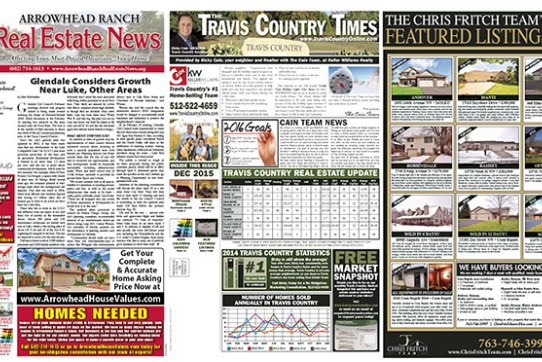 processor might also offer free handbook templates and printable onboarding forms. Your CRM might have a nifty reporting feature that saves your hours – and if it doesn’t, maybe there’s one out there that does. And consider of course your marketing service providers (like us!). How much time do you spend sorting through lists, figuring out what to write, or ensuring your branding is consistent? Are you paying someone to chomp away at copywriting or bank reconciliation when you could upgrade to a premium service provider that could do it better – and end up costing you less? Successful people don’t need to master minutia but rather master the art of coordinating the right external partners. Achieving and maintaining high levels of success means choosing the most effective and turnkey services available, not the cheapest do-it-yourselfer alternatives which take time away from your journey up the mountain.